
"san marco"
500 article(s) found
Guatemalan Coffee how to taste a single coffee? Guatemalan Coffee Latisha Manor
[guide] the Ekatlago Valley rises to 2000 meters (6500 feet), with dense shade and unique ecology, and the nearby Fuego volcano erupts, making its coarse, sandy soil rich in various minerals. Temperate sea breezes from the Pacific Ocean and seasonal climate have raised the Ekatangol Valley in Guatemala Guatemala to 2000 meters (6500 feet).
Buy Guatemalan Coffee how to taste a single coffee? Antigua Antigua Guatemala
[guide] the Ekatlago Valley rises to 2000 meters (6500 feet), with dense shade and unique ecology, and the nearby Fuego volcano erupts, making its coarse, sandy soil rich in various minerals. Temperate sea breezes from the Pacific Ocean and seasonal climate have raised the Ekatangol Valley in Guatemala Guatemala to 2000 meters (6500 feet).
Guatemala National Guatemala production area Guatemala time Guatemala Coffee New Oriental region
[guide] the Ekatlago Valley rises to 2000 meters (6500 feet), with dense shade and unique ecology, and the nearby Fuego volcano erupts, making its coarse, sandy soil rich in various minerals. Temperate sea breezes from the Pacific Ocean and seasonal climate have raised the Ekatangol Valley in Guatemala Guatemala to 2000 meters (6500 feet).
The origin of Guatemalan coffee beans, the taste of Guatemalan coffee
Following Cafe (Wechat official account vdailycom) found that Beautiful Caf é opened a small shop of its own in Guatemala coffee bean producing area one: the Akanango Valley rises to 2000 meters (6500 feet) with thick shade and unique ecology. The eruption of the nearby Fuego volcano has made its coarse, sandy soil rich in various minerals. Temperate sea breezes from the Pacific and
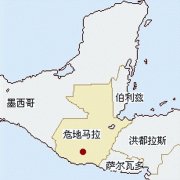
Coffee import declaration, coffee bean import declaration, supply, Guatemala coffee import declaration process
[guide] the Ekatlago Valley rises to 2000 meters (6500 feet), with dense shade and unique ecology, and the nearby Fuego volcano erupts, making its coarse, sandy soil rich in various minerals. Temperate sea breezes from the Pacific Ocean and seasonal climate have raised the Ekatangol Valley in Guatemala Guatemala to 2000 meters (6500 feet).
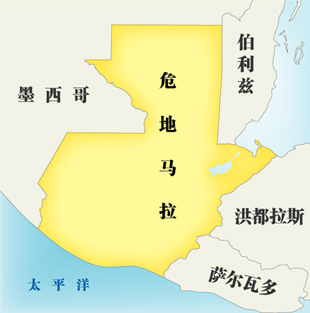
The characteristic attribute of coffee in eight producing areas of Guatemala 4. Antigua coffee in Guatemala is classified by origin
[guide] the Ekatlago Valley rises to 2000 meters (6500 feet), with dense shade and unique ecology, and the nearby Fuego volcano erupts, making its coarse, sandy soil rich in various minerals. Temperate sea breezes from the Pacific Ocean and seasonal climate have raised the Ekatangol Valley in Guatemala Guatemala to 2000 meters (6500 feet).
Introduction to the planting characteristics of coffee bean producing areas in Guatemala
Follow Cafe (official Wechat account vdailycom) found that the Ekatlago Valley rises 2000 meters (6500 feet) to 2000 meters (6500 feet). The shade is thick and the ecology is unique. The nearby Fuego volcano erupted, making its coarse, sandy soil rich in various minerals. The temperate sea breeze from the Pacific and the seasonal climate make this producing area
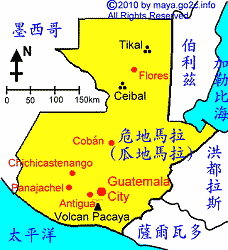
A brief introduction to the characteristics of coffee from eight major producing areas in Guatemala Antigua coffee beans Guatemalan coffee
[guide] the Ekatlago Valley rises to 2000 meters (6500 feet), with dense shade and unique ecology, and the nearby Fuego volcano erupts, making its coarse, sandy soil rich in various minerals. Temperate sea breezes from the Pacific Ocean and seasonal climate have raised the Ekatangol Valley in Guatemala Guatemala to 2000 meters (6500 feet).
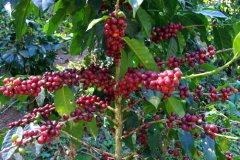
An introduction to the five major coffee producing areas in Guatemala
Professional barista communication please follow the coffee workshop (Wechat official account cafe_style) Guatemala coffee beans smell like peanut biscuits, very special, this time also brewed two rounds, the result is the second time to win, notes are as follows: Guatemala 1 first bean grinder tiamo700s scale 4, grind 16 grams of powder, 200CC water, water temperature 88 C, pour 200CC water into
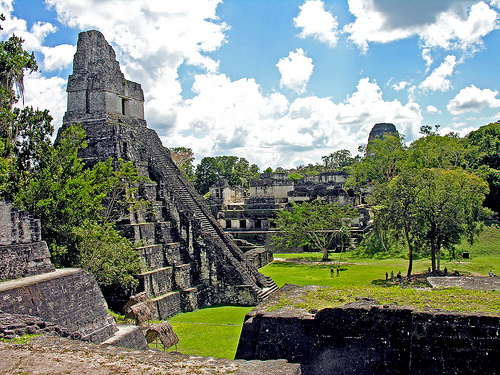
Introduction of boutique coffee manor: a detailed introduction of the characteristics and attributes of coffee in the eight major producing areas of Guatemala
The Ekatlago Valley is 2000 meters (6500 feet) above sea level, with dense shade and unique ecology. The nearby Fuego volcano erupts, making its coarse, sandy soil rich in a variety of minerals. Temperate sea breezes from the Pacific and a seasonal climate allow coffee in this region to be dried by sunlight and processed according to traditional family methods that have been accumulated over the years. [characteristics]

Introduction of the origin and planting conditions of Richter Manor in Costa Rica
ElBalar is a 5-hectare farm where Kaddura is grown. It is owned by the father of three siblings: Leo,Melvin and ElianRobles, who worked on the farm with their father for many years. ElBalar is located about 1500 meters above sea level in San Marco de Tarazu. The farm has rich sandy soil and can be planted with high quality.
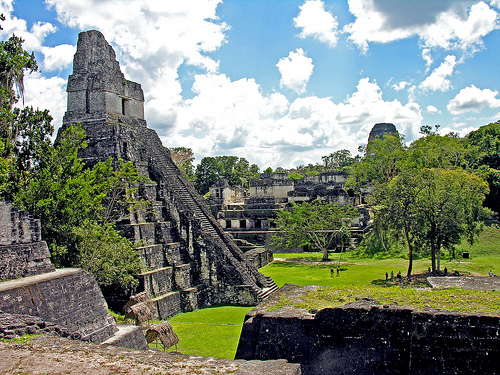
World boutique coffee beans: an introduction to the species, characteristics and attributes of coffee beans in eight major producing areas of Guatemala
[guide] the Ekatlago Valley rises to 2000 meters (6500 feet), with dense shade and unique ecology, and the nearby Fuego volcano erupts, making its coarse, sandy soil rich in various minerals. The temperate sea breeze from the Pacific Ocean and the seasonal climate make the Ekatran Valley in this producing area rise to 2000 meters (6500 feet), with dense shade and unique ecology.
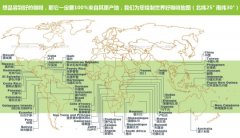
World-famous individual coffee beans and their origin
Latin American coffee beans (Central and South America) Brazil: Santos, Bahia, Cerrado, Mogiana Mexico: Coatepec, Huatusco, Orizaba, Maragogype, Tapanchula, Huixtla, Plumako

World famous coffee beans and their origin coffee common sense
Latin American coffee beans (Central and South America) Brazil: Santos, Bahia, Cerrado, Mogiana Mexico: Coatepec, Huatusco, Orizaba, Maragogype, Tapanchula, Huixtla, Plumaco

Coffee bean producing areas around the world
Most of the coffee beans in circulation on the market are distinguished by their origin. The following lists some of the coffee mainly produced and famous, with brand names or place names in parentheses: Latin America (Central and South America) Brazil: Santos, Bahia, Cerrado, Mojiana (Mogiana) Mexico: Coatepec, Huatusco

Coffee beans in Guatemala Coffee Life Antigua
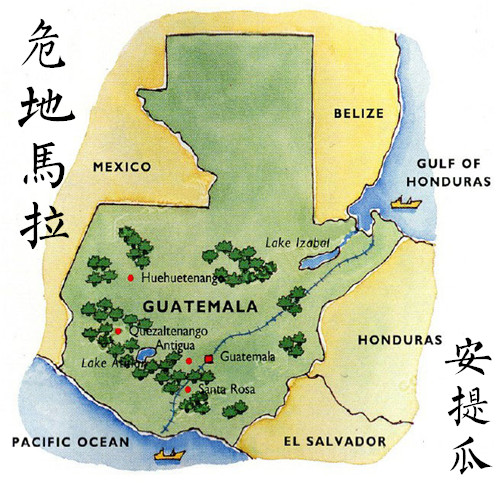
Guatemala has seven major coffee producing areas: Antigua,Coban,Atitlan,Huehuetenango,Fraijanes,Oriente and San Marcos. The coffee beans in each producing area have their own characteristics, and they have won a lot of praise for Guatemala in the international community, especially the perfect harmony of Antigua's sour, sweet and mellow texture; add a hint of smoke to emphasize it.
Caffe Florian Florian Cafe the most artistic cafe in Italy
Caffe Florian Florian Cafe, the most artistic cafe in Italy, opened on December 29th, 1720 and still attracts tourists from all over the world as a landmark on the Piazza San Marco in Venice. Around 1893, she was the only coffee shop that accepted women. There will be regular performances here every day, indoor and outdoor.
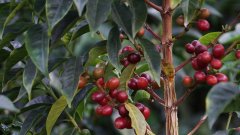
What are the boutique coffee producing areas in Latin America
Latin American coffee beans (Central and South America) Brazil: Santos, Bahia, Cerrado, Mogiana Mexico: Coatepec, Huatusco, Orizaba, Maragogype, Tapanchula, Vestra

Single coffee in Latin American coffee producing areas
Latin America Brazil: Santos, Bahia, Cerrado, Mogiana Mexico: Coatepec, Huatusco, Orizaba, Maragogype, Tapanchula, Huixtla, Plumako

Introduction to Coffee plantations in Latin America
Latin America Brazil: Santos, Bahia, Cerrado, Mogiana Mexico: Coatepec, Huatusco, Orizaba, Maragogype, Tapanchula, Huixtla, Plumako